Loading...
Serving West Haven, CT and surrounding areas. (475) 550-3698
Superior West Haven Concrete is the concrete contractor Bridgeport property owners call for floor installation, driveways, retaining walls, steps, patios, and foundation work. We serve all of Bridgeport - from Black Rock and the South End near the waterfront to the East Side and East End - and we have real experience with the pre-1940 housing stock, tight urban lots, and coastal weather conditions that define concrete work in Connecticut's largest city. We reply within 1 business day and all estimates are free.
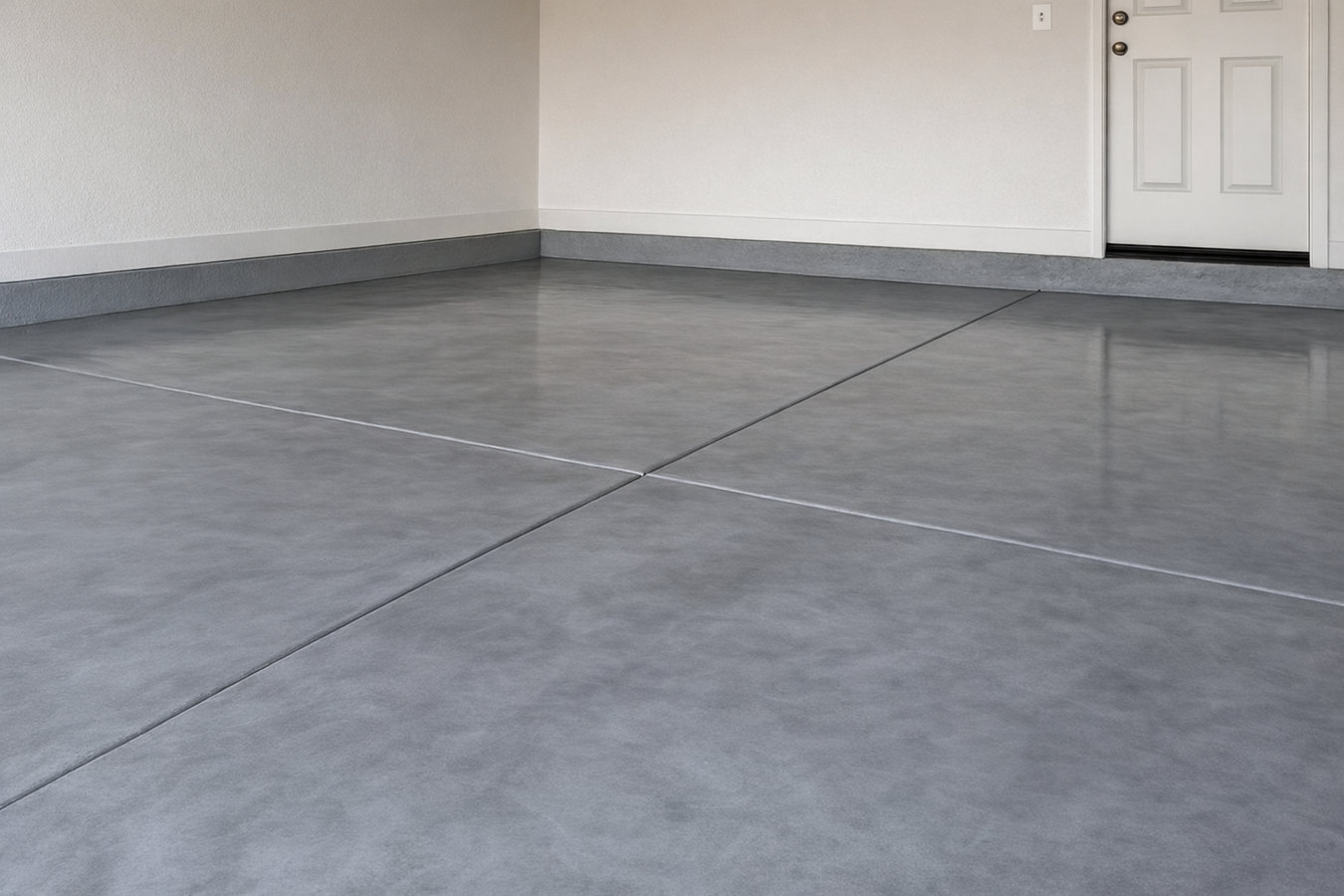
Many of Bridgeport's two- and three-family homes have basements with original stone or early-era poured floors that have never been replaced - floors that crack, heave, and hold moisture from the city's wet springs and coastal humidity. A new concrete basement floor solves the moisture problem at the source and creates a dry, level surface that works for storage, laundry, or future finishing. See everything we do under our concrete floor installation service, including surface finishes, moisture barriers, and the base prep that keeps a floor level through years of Bridgeport's seasonal ground movement.
Bridgeport's tight urban lots often have narrow driveways that run alongside the house or share a common apron with a neighboring property, which means access for equipment requires planning before the crew arrives. Most of the city's existing driveways date from before 1970 and were poured thin - and 50-plus years of Bridgeport's freeze-thaw winters have opened those slabs up. A replacement driveway with proper base depth and reinforcement holds through Connecticut's climate instead of cracking again the first winter.
Some Bridgeport properties - particularly in the hillier parts of the North End and on sloped lots in Black Rock - have old fieldstone or concrete block retaining walls that have shifted, cracked, or started to tip. Spring soil saturation puts hydrostatic pressure behind any wall that lacks proper drainage, and a wall that has been moving for years will eventually fail. Concrete retaining walls built with drainage aggregate behind the wall relieve that pressure before it becomes a structural emergency.
Bridgeport's two- and three-family homes almost always have front entrance steps serving multiple units, and steps that have cracked, settled, or separated from the building threshold are a safety issue - and a liability - on a multi-family property. Original steps on pre-1940 homes have been through 80 or more Connecticut winters, and the damage shows. New concrete steps built to current code give every resident a stable, safe entrance that does not shift or crack with the seasons.
Even on Bridgeport's smaller urban lots, a concrete patio in the backyard adds usable outdoor space that a gravel or dirt area cannot. Patios on compact city lots need precise grading so water drains away from the house rather than pooling against the foundation - a particular concern in Bridgeport where spring rain saturates the ground quickly and basements in older homes are already vulnerable to moisture. We grade every patio for proper drainage as part of the standard installation.
A significant share of Bridgeport's homes were built before 1940 with stone or early block foundations that were never designed to last a century. When mortar between stones deteriorates and block walls develop horizontal cracks from lateral soil pressure, patching buys time but does not fix the underlying problem. Full foundation replacement with a modern poured concrete wall is the correct solution for Bridgeport homes where the existing foundation has reached the end of its reliable service life.
The majority of Bridgeport's housing stock was built before 1960, with a large share dating to before World War II. These homes are 65 to over 100 years old, and any concrete work on them - driveways, steps, floors, patios, or foundations - was done under old standards using older materials. Concrete from that era was typically poured thinner than current practice and with less or no steel reinforcement, which means it has been accumulating freeze-thaw damage for half a century or more. What a homeowner sees as a cracked driveway or heaving steps is often the visible result of decades of seasonal movement that started long before the current owner moved in.
Bridgeport's position on Long Island Sound adds a second layer of stress that most inland Connecticut towns do not face. Salt air reaches well into the city from the waterfront neighborhoods in Black Rock and the South End, and salt accelerates the corrosion of any steel reinforcement embedded in concrete. Coastal storms - from nor'easters in winter to tropical systems in late summer - bring wind-driven rain and, in low-lying areas, occasional flood water that saturates foundations and basement floors. Connecticut's freeze-thaw cycle hits Bridgeport particularly hard because the coastal location means temperatures swing above and below 32 degrees Fahrenheit more often and more quickly than inland areas during the shoulder seasons of November and March.
Our crew works throughout Bridgeport regularly, and we understand the local conditions that affect concrete contractor work here. Bridgeport is Connecticut's largest city, with about 148,000 residents packed into a relatively small footprint, which means jobs in this city require attention to access, parking for equipment, and working on tight lots where machinery staging that works easily in a suburban driveway needs to be rethought for an urban property.
Bridgeport has distinct neighborhoods with distinct concrete challenges. Black Rock, on the western side of the city near the water, has well-maintained Colonials and Victorians whose owners invest in the properties - these are the clients who want quality finishes on driveways and patios that match the character of the homes. The East Side and East End have older rental stock that often needs functional repairs - steps, floors, and driveways that have been deferred for years. The South End near Seaside Park sits close enough to Long Island Sound that salt air is a real factor we account for in mix specifications for coastal exterior concrete.
We also work in neighboring communities, including Shelton across the Housatonic River, and Stratford to the east along the coast. If your project is in Bridgeport or the surrounding area, call us and we will tell you directly whether it falls within our service territory.
Reach us by phone at (475) 550-3698 or through the contact form on this page. We respond to every Bridgeport inquiry within 1 business day and schedule an on-site visit at a time that works for you.
We visit the property, evaluate access conditions on your specific Bridgeport lot, check soil and base conditions, and give you a written itemized estimate. There is no charge for the estimate, and we will tell you if the job needs a permit before any work begins.
Once permits are in place and materials are sourced, our crew arrives on the scheduled date and completes the work. For most Bridgeport jobs, you do not need to be present during the work itself, though we will coordinate with you on access and any site-specific requirements for your property.
When the work is done, we walk the finished project with you and answer any questions about curing times, surface care, and what to expect in the first winter after installation. Freshly poured concrete needs 7 days before vehicle traffic and reaches full strength in about 28 days.
We serve all of Bridgeport, CT - from Black Rock and the South End to the East Side and the North End. No obligation, no pressure, and we reply within 1 business day.
Bridgeport is Connecticut's largest city, home to about 148,000 residents in Fairfield County along the shore of Long Island Sound, roughly 60 miles northeast of New York City. The city grew rapidly in the late 1800s and early 1900s as an industrial center, and that history is visible in its neighborhoods - dense blocks of two- and three-family homes, closely spaced single-family houses, and older commercial corridors that served factory workers and their families. About 60 percent of residents rent rather than own, but the owner-occupied stock includes neighborhoods like Black Rock on the western waterfront, where Colonials and Victorians have been maintained by long-term homeowners. The Barnum Museum in the downtown reflects the city's connection to P.T. Barnum, who served as Bridgeport's mayor and remains one of the city's most recognized historical figures.
Most of Bridgeport's residential neighborhoods were developed before World War II, which means the housing stock is old by any measure - most homes are 65 to over 100 years old, with original foundations, framing, and in many cases exterior concrete that has never been fully replaced. The South End and Seaside Park area sit close to Long Island Sound and face the salt air, coastal storms, and occasional flooding that come with a waterfront location. The North End is hillier, with some larger single-family homes and more yard space. If your property is in Bridgeport, or in a neighboring community like Shelton or Stratford, we serve the whole area and understand what these properties need.
Get a durable, professionally poured concrete driveway built to last.
Learn MoreExpand your outdoor living space with a beautiful concrete patio.
Learn MoreSafe, smooth concrete sidewalks installed to local code standards.
Learn MoreLevel, strong concrete floors installed for residential and commercial spaces.
Learn MoreSlip-resistant, stylish concrete pool decks for safer outdoor enjoyment.
Learn MoreSolid concrete steps built for safety and long-term curb appeal.
Learn MoreCommercial-grade concrete parking lots built for heavy, long-term use.
Learn MoreCall us today or submit a free estimate request. We serve all of Bridgeport, CT and reply within 1 business day - before the next freeze-thaw season does more damage to your property.