Loading...
Serving West Haven, CT and surrounding areas. (475) 550-3698
Your foundation carries everything above it. We install poured concrete foundations built for West Haven's high water table, clay soils, and 42-inch frost line - with permits and inspections handled for you.
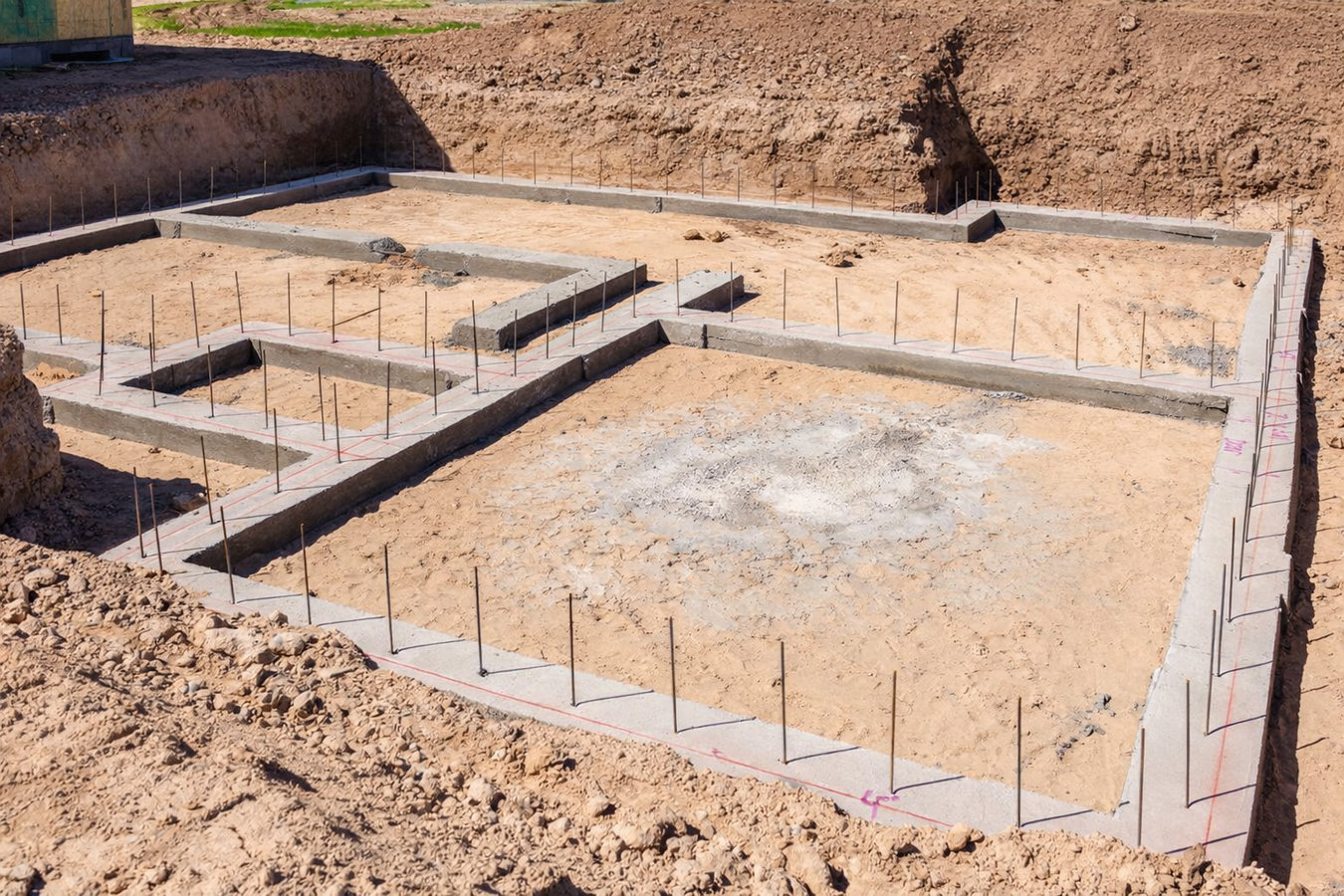
Foundation installation in West Haven covers the full process - excavation, footing placement below the 42-inch Connecticut frost line, poured concrete wall forming, exterior waterproofing, and backfill with proper grading - most residential projects take three to six weeks from permit approval to final inspection.
A foundation is the part of your home that everything else depends on. In West Haven, where the ground holds more moisture than most inland towns and freeze-thaw cycles put stress on concrete every winter, how a foundation is designed and built matters more than it might in a drier climate. Whether you are building from scratch or replacing an aging foundation on an older property, the process starts long before any concrete is poured. If you are building a smaller structure and need a slab foundation rather than full walls, that is a closely related service we handle as well.
We manage the West Haven Building Department permit process, schedule and coordinate all required inspections, and give you the documentation when the job is complete. You will know what is happening at each stage - not just get a bill when it is over.
If doors or windows in your home have started sticking, dragging, or no longer latching the way they used to, that can be a sign the structure is shifting. Foundations that have settled unevenly cause the house frame above to rack slightly out of square. This is one of the earliest visible signs that something is happening below grade - worth having a professional look at before the movement gets worse.
Small hairline cracks in concrete are normal as it ages. But cracks wider than a quarter inch, cracks that run horizontally across a wall, or cracks where one side has shifted higher than the other are warning signs. In West Haven's older housing stock - much of it built before modern waterproofing standards - these kinds of cracks are common and often indicate that water pressure or soil movement has been working on the foundation for years.
West Haven's combination of clay soils, high water tables in lower neighborhoods, and heavy spring rain events means basement water intrusion is a frequent problem here. If you see puddles, damp walls, or a musty smell after wet weather, your foundation may no longer be keeping water out effectively. This can mean the waterproofing has failed, the grading directs water toward the house, or the foundation itself has cracks that allow seepage.
If you are building a home addition, accessory dwelling unit, or any structure that requires a full foundation rather than just a slab, this is the starting point for that project. Foundation installation comes before any framing, so it needs to be planned and permitted early. A thorough site assessment is especially important on older West Haven lots where soil conditions can vary significantly.
We install poured concrete foundations for residential properties throughout West Haven and the surrounding area. The process covers everything: excavation and footing installation below the Connecticut frost line, forming and pouring the foundation walls, applying an exterior waterproofing membrane, installing a drainage board and perimeter drain at the footing, then backfilling and grading so water moves away from the house. Every project is permitted through the West Haven Building Department, and city inspectors check the work at key stages before it is buried.
For homeowners adding smaller structures, we also build slab foundations for garages, workshops, and additions, and for larger commercial or multi-structure sites we handle concrete parking lot building as a related service. The American Concrete Institute sets the standards for residential concrete construction we follow on every foundation job.
For new homes or additions where usable below-grade space is part of the plan, including full waterproofing and drainage systems.
Suited for West Haven properties built in the mid-20th century where the original foundation has settled, cracked, or failed to keep water out.
For homeowners expanding their living space with a home addition or accessory dwelling unit that requires its own foundation system.
For West Haven properties in FEMA-designated flood zones where the foundation design must meet minimum elevation and flood vent requirements.
West Haven borders Long Island Sound, and large portions of the city - particularly in lower-elevation neighborhoods near the shore - have naturally high groundwater levels. A contractor may encounter water in the excavation before any concrete is poured, which adds complexity and cost to the job. West Haven soils also vary: sandy and loose near the coast, clay-heavy further inland. Clay soil expands when wet and contracts when dry, putting lateral pressure on foundation walls over time. Any contractor quoting your job should assess soil conditions before giving you a number - not after digging. Homeowners in Woodbridge see the clay soil challenge without the coastal water table complication.
Much of West Haven's housing was built between the 1920s and 1960s, and many of those homes sit on original foundations that were never designed to last a century. If you are replacing or underpinning an existing foundation, your contractor will likely encounter mixed soil conditions, old utility lines, or previously disturbed ground that was not visible from the surface. Parts of West Haven also fall within FEMA-designated flood zones near the shoreline and the West River, where foundation design must meet specific elevation requirements before the permit is issued. Homeowners in Ansonia deal with similar hillside and soil variation challenges. We do a thorough site assessment before every project and communicate clearly about what we find - so you are not surprised mid-job.
When you reach out, we ask basic questions about what you are building and the approximate size. Most contractors schedule a site visit before giving a price - foundation work is too site-specific to quote over the phone. We reply within one business day to set that up.
Before any digging starts, we submit a permit application to the West Haven Building Department with a site plan showing the foundation layout. Permit approval typically takes a few business days to two weeks. We handle this step - you just need to be available to sign anything requiring the homeowner's signature.
With the permit in hand, the crew excavates and installs footing forms at the required 42-inch depth. A city inspector checks the footings before walls are poured. Once footings pass inspection, we form and pour the foundation walls - the most critical phase of the project.
After the concrete cures, we apply an exterior waterproofing membrane and install the drainage system at the base of the wall. The excavated soil is then pushed back and graded to direct water away from the house. A final city inspection closes out the permit, and you receive the signed documentation.
Foundation pricing depends on your specific lot and soil conditions - a quick site visit gives you a real number, not a guess.
Connecticut requires footings at least 42 inches below grade so they sit below the frost line. We do not cut corners on depth - footings placed too shallow will shift when the ground freezes and thaws, and that movement works its way up through every wall and floor above it.
West Haven's combination of clay soils and high coastal water tables makes exterior waterproofing critical. We apply a waterproofing membrane and drainage system to every foundation wall before backfilling - because a foundation installed without it will likely develop moisture problems within a few years in this climate.
Parts of West Haven near the shoreline fall within FEMA-designated flood zones with specific foundation height and venting requirements. We factor these requirements into your project from the first conversation - so the permit does not come back with conditions you were not expecting. You can verify contractor licensing through the Connecticut Department of Consumer Protection.
Skipping permits might seem like a shortcut, but in West Haven it can cost you far more when you sell your home or file an insurance claim. We pull every required permit, schedule every required inspection, and hand you the paperwork when the job is done - a clean record with the city and a foundation any future buyer's inspector can verify.
Foundation work is the one part of a home project where cutting corners shows up years later, not days later. Our combination of local site knowledge, permit management, and transparent estimates means you go into this investment with clear eyes - and come out with documentation that protects your home for decades.
Heavy-duty concrete paving for commercial lots, multi-family driveways, and large residential surfaces in the West Haven area.
Learn MoreSlab-on-grade pours for garages, workshops, and accessory structures where a flat concrete floor serves as both floor and foundation.
Learn MoreSpring is the busiest season for foundation work in Connecticut - locking in your start date now means your project won't get pushed into summer.