Loading...
Serving West Haven, CT and surrounding areas. (475) 550-3698
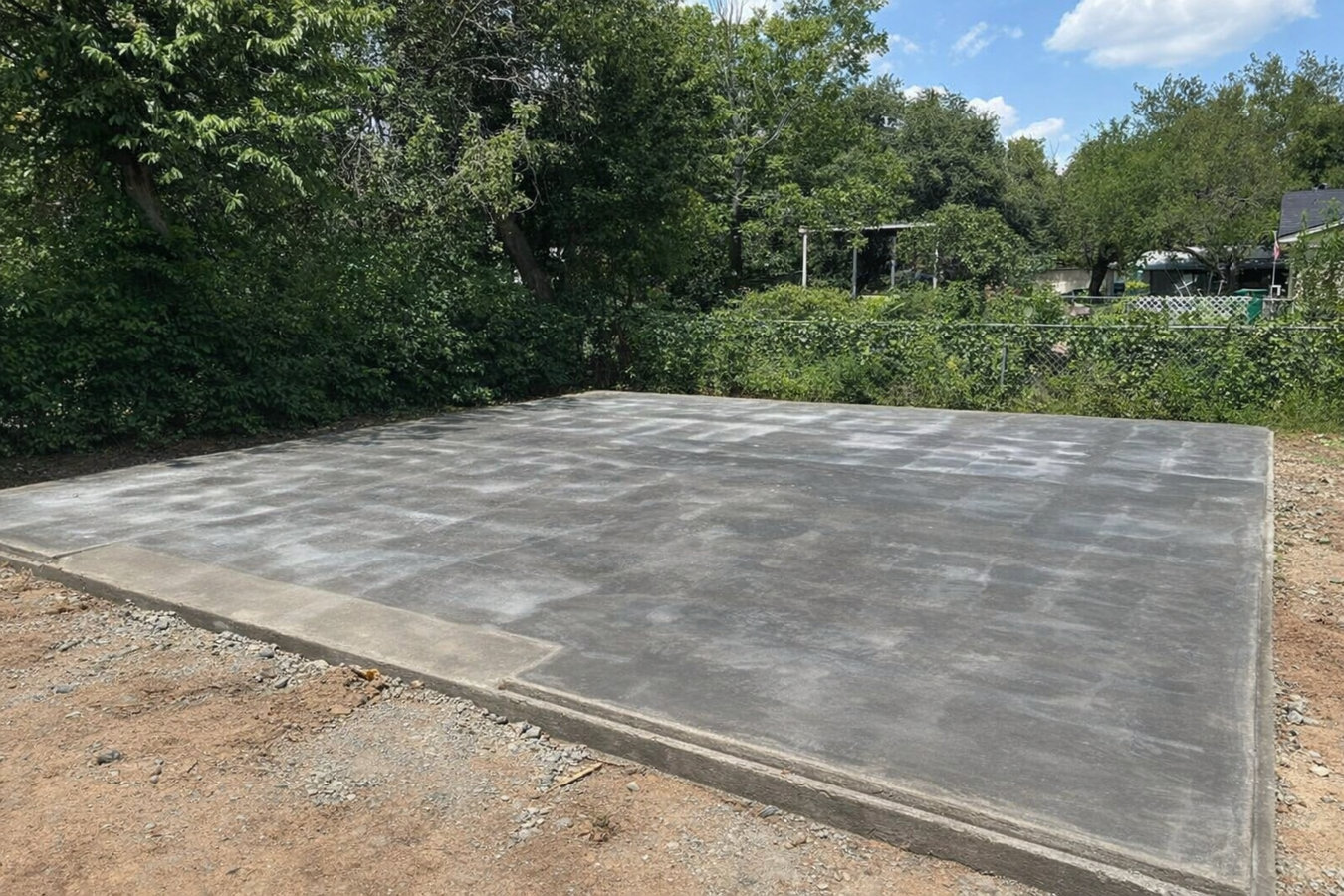
A slab poured without proper drainage and moisture protection will fail in West Haven winters. We build slabs that stay solid through decades of Connecticut freeze-thaw cycles.
Slab foundation building in West Haven means preparing the ground, placing a gravel base and moisture barrier, setting reinforcement, and pouring concrete in a single session - most residential slabs take one to two weeks from permit approval to a finished, inspected surface.
Whether you are adding a garage, a workshop, or an accessory dwelling unit, slab foundation building in West Haven starts well before the concrete truck arrives. The ground has to be graded, compacted, and protected against the moisture that sits close to the surface in many parts of this city. If you are also planning foundation installation for a larger structure, the same site preparation principles apply.
We handle permit applications with the West Haven Building Department, coordinate required inspections, and give you the documentation when the job is done. You do not have to figure out the city process on your own.
If you are adding a garage, workshop, or home addition and there is no foundation where the structure will sit, you need a slab before any framing can begin. This is the clearest situation - the ground is open and the project starts from scratch. A contractor will assess the site and prepare the ground before any concrete is placed.
Hairline surface cracks in concrete are common and usually harmless. But cracks wider than a quarter inch, cracks that run diagonally across a corner, or cracks where one side has shifted higher than the other are signs the slab has moved or settled in a way that may need replacement. West Haven's freeze-thaw cycles stress older slabs in garages and additions every winter.
If your concrete floor feels damp, shows white powdery deposits, or has caused tile or vinyl to bubble and peel, moisture is likely migrating up from the ground below. This is a common issue in West Haven neighborhoods near the shoreline, where the water table sits naturally high. A new slab with proper moisture protection underneath can solve this permanently.
If you can feel your floor sloping when you walk across it, or furniture rocks on what should be a flat surface, the slab underneath may have settled unevenly. This happens when soil was not properly compacted before the original pour - a problem found in many older West Haven homes. An uneven slab can also cause doors to stick, walls to crack, and drainage to run the wrong direction.
We pour residential slab foundations throughout West Haven and the surrounding area. Every slab project starts with a site assessment - we check soil conditions, drainage, and access before we give you a number. The work includes excavating and grading to the right depth, compacting the subgrade, laying a gravel drainage bed, installing a polyethylene moisture barrier, placing steel reinforcement, and pouring the concrete in a single continuous session. Proper curing steps follow to make sure the slab reaches full strength before loads go on it.
For homeowners starting a larger project, we also handle foundation installation for full basement and wall systems, and concrete footings for decks, additions, and structures that need a deeper bearing point. The Portland Cement Association outlines current best practices for slab-on-grade construction, including moisture barrier placement and curing requirements we follow on every job.
Suited for homeowners adding a detached or attached garage, workshop, or storage structure on a residential lot.
For home additions, ADUs, or outbuildings where a new slab foundation is the starting point before framing begins.
Ideal for garages, basements, or outbuildings where the original slab is cracked, uneven, or no longer provides adequate moisture protection.
For West Haven properties in FEMA-designated flood zones where the finished floor elevation and foundation design must meet specific requirements.
West Haven sits along Long Island Sound, and many neighborhoods - especially those near the shoreline - have a naturally high water table. Moisture is closer to the surface here than in inland Connecticut towns, which means the drainage layer and moisture barrier under a slab need careful attention. Parts of the city also fall within FEMA-designated flood zones, where there may be minimum floor elevation requirements that change what a slab can look like before any permit is approved. Homeowners in Ansonia and nearby communities share the freeze-thaw challenge, though without the added coastal moisture factor.
A large share of West Haven's residential lots were developed between the 1940s and 1970s. Older lots often have previously disturbed soil, mature tree roots, or buried debris that can complicate site preparation and affect the final price. West Haven also experiences repeated freeze-thaw cycles from late fall through early spring - concrete poured in the wrong conditions, or without proper curing protection, can crack before it ever carries a load. Homeowners in Derby and surrounding areas deal with similar winter conditions. We time pours carefully and take weather seriously at every stage, because the quality of the concrete work is only as good as the conditions it was done in.
When you contact us, we ask basic questions about the slab size and what it will support, then schedule a site visit. Ground conditions and access vary too much to quote accurately over the phone. We reply within one business day.
We assess drainage, soil stability, and access before giving you a written estimate. If your project requires a permit - which new slab foundations in West Haven do - we handle the application with the city's Building Department. Permit approval typically takes one to two weeks.
Once the permit is approved, we grade and compact the ground, lay the gravel base, install the moisture barrier, and set steel reinforcement. A building inspector visits at this stage before any concrete is ordered - this inspection is required, and we coordinate it.
The concrete is poured and finished in a single session. The slab then cures - plan for at least a week before light foot traffic and about a month before heavy loads. A final city inspection closes out the permit, and you receive the signed paperwork to keep with your home records.
We visit your property before we quote - because ground conditions here vary too much to price over the phone.
Navigating the West Haven Building Department, scheduling inspections, and making sure the work passes review can feel overwhelming. We manage the entire permit process and hand you the signed paperwork when the job is done - you will not need to figure out the city process on your own.
Living near Long Island Sound means the ground holds more moisture than most homeowners realize. We treat the drainage layer and moisture barrier as core parts of the job, not optional upgrades - so you are not dealing with damp floors or peeling finishes a few years from now.
We do not pour concrete when overnight temperatures are expected to drop below 40 degrees Fahrenheit without cold-weather precautions in place. This matters for slab longevity - a slab that cures properly in the right conditions will outlast one that was rushed by decades. Connecticut contractors are required to hold a current Home Improvement Contractor registration through CT DCP.
Parts of West Haven near the shoreline fall within FEMA-designated flood zones with specific foundation height requirements. We are familiar with those requirements and factor them in from the first conversation - not as a mid-project surprise after the permit comes back with conditions.
Every slab we pour is backed by a thorough site assessment, a written estimate before work begins, and full permit documentation at the end. That combination - local knowledge, transparent pricing, and a clean paper trail - is what makes the difference between a slab that lasts and one that becomes a problem.
Full basement and poured concrete wall foundation systems for new homes and additions in West Haven.
Learn MoreLoad-bearing concrete footings for decks, additions, and structures that need a frost-protected bearing point.
Learn MoreSpring and summer pour slots fill quickly - reach out now and lock in your project date before the best weather window closes.